
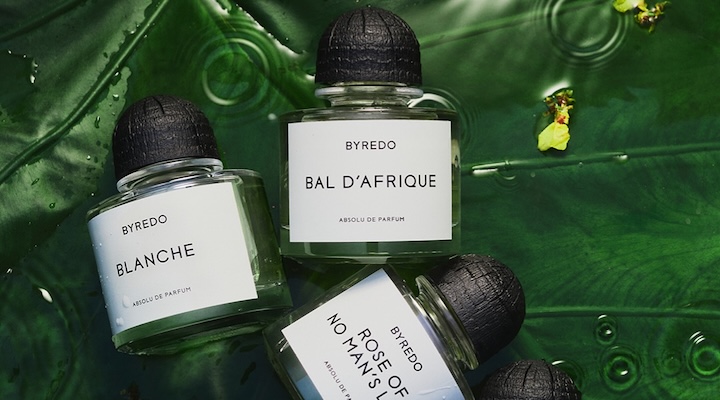
Byredo’s parent company Puig is riding high on a 79 per cent jump in first-half profit to €275 million (US$322.5 million), but US tariffs threaten to squeeze margins in its biggest fragrance market. Like other European luxury groups, Puig raced to front-load shipments ahead of a July trade deal that slapped a 15 per cent duty on most EU beauty imports, 10 times higher than the previous rate. The question now is whether the Barcelona-based group can keep outperforming as the trade headw
adwinds settle in.
Healthy performance
The Spanish beauty house has reported another strong set of half-year results with net revenue jumping 7.6 per cent to €2.3 billion. Adjusted EBITDA rose 8.6 per cent to €445 million.
Reported net profit surged nearly 79 per cent to €275 million, aided by the absence of IPO-related costs that weighed down last year’s base. Adjusted net profit, which strips out those factors, rose a modest 3.9 per cent to €247 million.
Geographically, Puig delivered growth across all regions.
The Americas rose 10.9 per cent to €867 million bolstered by Charlotte Tilbury’s strength and fragrance demand across North and Latin America.
EMEA, accounting for 52 per cent of Puig’s total revenue, grew a more modest 3.6 per cent year on year to net revenue of €1.2 billion.
Meanwhile, Asia Pacific was the star, up 16.5 per cent year on year to €234 million, with strong momentum in South Korea and Japan.
But the US market carries the greatest risk. Tariffs will force Puig to walk a fine line between maintaining consumer loyalty and protecting margins. With fragrances still accounting for nearly three-quarters of sales, the company is more exposed than peers with more diversified luxury portfolios.
Fragrance still leads
Fragrance remains the powerhouse of Puig’s business, contributing 73 per cent of revenues in the half. Net revenue in the segment climbed 8.6 per cent year on year to €1.7 billion, with Rabanne, Carolina Herrera and Jean Paul Gaultier maintaining their positions among the world’s top 10 fragrance brands. Niche labels like Byredo also delivered double-digit growth.
Yet growth is beginning to cool. Executives noted the fragrance market has slowed from mid-single-digit to low-single-digit expansion in recent months, and heavy promotions in Latin America and the US are pressuring margins.
Meanwhile, makeup, long a weak spot in Puig’s portfolio, has shown notable recovery. Revenues rose 2 per cent to €339 million. Puig’s flagship in the category Charlotte Tilbury, remained the top prestige brand in the UK and ranked third in the US, supported by launches like the Super Nudes collection and Unreal Blush.
“We feel confident that based on the strength and desirability of our brands, we will be able to outperform the premium beauty market,” the executive said.
“We continue to expect net revenue like-for-like growth to be in the 6 per cent to 8 per cent range, albeit expecting to land in the lower side of the range.”
New leadership
Puig announced the creation of a deputy CEO role, filled by longtime executive Jose Manuel Albesa.
A company veteran since 1998, Albesa has been instrumental in repositioning Puig’s flagship brands, turning Rabanne, Herrera and Gaultier into global leaders.
“He is uniquely suited for this new role and I look forward to continuing our trusted partnership as we enter the next phase in Puig’s development,” Puig said, adding he remains fully committed to his role.
The company also strengthened its fashion portfolio with the appointment of Dutch designer Duran Lantink as creative director of Jean Paul Gaultier, ending five years of rotating guest designers.
Looking ahead
The company has outpaced competitors in fragrances and achieved a stronger-than-expected recovery in makeup yet expressed caution as its core category begins to cool.
“For the second half of the year, we’re seeing a further moderation of growth in fragrances, our largest business segment, where we expect outperformance in makeup and skin care,” Puig said.
Upcoming launches, including the global debut of La Bomba and Duran Lantink’s first Jean Paul Gaultier collection, will test Puig’s ability to keep cultural momentum alive.
“The second half is always our busiest period, with holiday demand and the full rollout of La Bomba, the new Carolina Herrera fragrance, still to come,” said Marc Puig, chairman and CEO of Puig.
“The desirability of our brands, alongside our continued cost discipline, is allowing us to invest in them to support sustainable long-term growth.”