
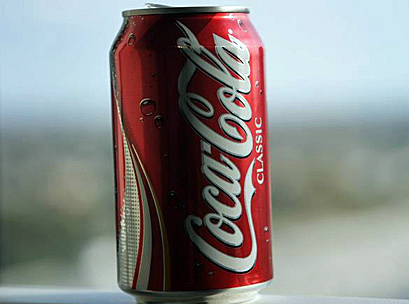
Coca-Cola leads the Kantar Worldpanel’s Brand Footprint – the world’s most chosen brand, being chosen 5.3 billion times a year by consumers worldwide.
Using Kantar’s formula, the beverage brand earned number one spot by combining a high penetration of 44 per cent with the highest global frequency of purchase (15 times per year on average) meaning that it is chosen a total of 5.3 billion times a year.
Kantar Worldpanel’s Brand Footprint Ranking reveals the strength of brands in 32 countries around the world, across the food, beverage, health and beauty, and homecare sectors.
The strongest brands in the ranking have demonstrated their ability to understand and respond to local needs and reach the most remote consumers in rural areas of emerging markets by building larger distribution networks. However, all of the brands still have plenty of room to recruit more shoppers in new geographies, new targets, new segments, or on new occasions.
“As the pressure to maintain and increase growth intensifies, brand consumer base expansion and significant increase of their loyalty are more critical than ever. Until now brands have lacked more in-depth analysis of their current basket reach compared to their competitors and opportunities for growth around the world,” said Kantar Worldpanel China GM Jason Yu.
“In China, there are many local brands with an enormous ‘footprint’ in terms of the number of households they reach and frequency of purchase,” he said.
According to the ranking, three Chinese brands – Master Kong, Mengniu and Yili – have been chosen by local consumers more than one billion times a year.
Meanwhile, other Chinese brands such as Wahaha, Shuanghui, Want Want, and Bright achieved more than 500 million consumer reach points.
Kantar Worldpanel noted that availability in emerging markets like China remains a challenge for global brands, which is why some manufacturers, such as Heinz and Nestle, chose to acquire local brands.
Although international brand owners are driven by social-demographic and cultural trends, consumers often don’t differentiate between local and global brands. To achieve significant household penetration locally, a global brand must know its consumers intimately and not impose the brand’s home culture on the local market. Safeguard and Crest are only two Western brands in the top 20 leagues in China that practice this.