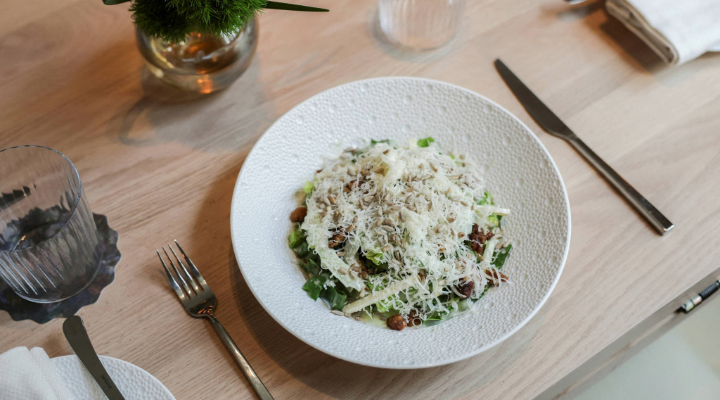
Pizza, pasta or Chinese take-out used to be the go-to Super Bowl spread for Marla Senzon’s family – until the Florida retiree began taking a GLP‑1 appetite‑suppressing medication two years ago. This Sunday, the bowl of choice for Senzon and her husband, who used to take the weight-loss drug, was salad, with a light protein like chicken or turkey, while they watched the Seattle Seahawks take on the New England Patriots. “Everything about our eating habits has changed,” she said. “I
“I can see myself doing it forever. “
More than 130 million Americans watched the Super Bowl halftime show on Sunday, and with it, commercials urging them to put down the chicken wings and loaded nachos. Over the years, weight-loss crazes like the Atkins or paleo diets have swept the nation, only to fizzle out. But as more Americans gain access to cheaper weight-loss medication, food executives are increasingly minding those who are minding their waistlines.
“We view the GLP-1 trend as somewhat more long-lived and more than just a short-term fad,” Ryan Zink, CEO of Colorado-based Good Times Restaurants, which operates more than 60 locations in the United States, told investors on Thursday. The company recently added a protein bowl as a limited-time item that will become part of its core menu in April, he said.
Smaller portions, more protein
Roughly 12 per cent of Americans are now on one of these drugs, according to analysts at research and brokerage firm Bernstein. For food companies that produce high-calorie foods, this means different menu items, smaller portions, or different product sizes.
PepsiCo CEO Ramon Laguarta mentioned GLP-1s for the first time in two years in the company’s earnings call on Tuesday. He said the beverage company would seek to capitalise on the trends “with a sense of urgency” by selling smaller portions and developing products with more fibre and protein.
Food companies are confronting two trends at once: reduced consumption among users of weight-loss drugs and consumer frustration with higher prices. According to the National Restaurant Association’s annual industry report, scheduled for release later this week, 34 per cent of sit-down restaurant operators reported adjusting portion sizes in 2025 due to rising business costs. The altered appetites of weight-loss drug users may also be a factor, the group’s CEO, Michelle Korsmo, told Reuters.
“There’s no question GLP-1s are on the mind of restaurant operators,” she said.
More healthy snacks
Upstart drugmaker Hims & Hers jolted the industry this week when it announced a compounded version of Novo Nordisk’s Wegovy pill at a US$49 introductory price. Just two days later, it backed off the idea under regulatory pressure, but the fanfare stands as a signal that prices for these drugs are likely to continue falling.
GLP-1 users consume roughly 40 per cent fewer calories, which translates to 4 per cent to 6 per cent smaller grocery baskets and 4 per cent to 5 per cent less spending on fast food, said PwC consumer consultant Ali Furman.
The restaurant association says its polling shows 64 per cent of adults are more likely to replace a meal with snacks during the day than in previous years.
“I don’t think the trend of snacking is going to go backwards. It will shift from unhealthy to healthier categories,” said Peter Konieczny, chief executive of Switzerland-based packaging company Amcor, on Tuesday.
Among global brands, Danone North America executives said that GLP‑1 adoption is driving demand for high‑protein, lower‑sugar and digest‑supporting foods, such as Greek yoghurt. US food giants General Mills and Conagra Brands have rolled out high‑protein, high-fibre offerings, while meal-kit company HelloFresh introduced GLP-1-friendly recipes in the third quarter of 2025.
“Rising GLP-1 use creates a real opportunity for food companies,” said Zak Stambor, senior analyst in retail and ecommerce at eMarketer. He said many GLP-1 users are willing to spend more than non-users on food and supplements, and even trade up to products like protein shakes, “when brands can clearly explain the health benefits.”
Restaurant brands are also joining in. In December, Chipotle announced a high-protein menu featuring, among other items, a cup of nothing but four ounces of grilled chicken.
Reporting by Waylon Cunningham in New York and Savyata Mishra in Bengaluru. Editing by David Gaffen and Diane Craft.