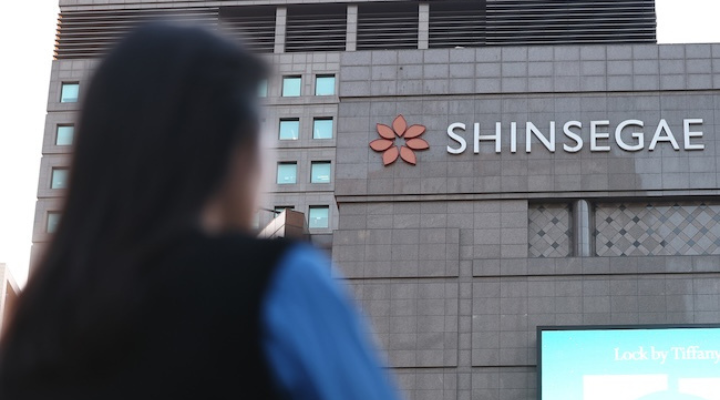
A new joint venture between South Korea’s Shinsegae Group and China’s Alibaba International has begun operations, signalling the start of what many in the retail sector expect will be a reshaping of the country’s e-commerce landscape.
Grand Opus Holdings, the JV formed by the two companies, recently finalised its board structure, placing Shinsegae chairman Chung Yong-jin as board chair alongside four other directors – three of whom represent Alibaba-affiliated entities – underscoring the Chinese group’s influence in the partnership.
Retail analysts say the JV marks Alibaba’s most direct push into South Korea’s “home market,” using Shinsegae’s domestic brand power as a bridge. The concern is that the influx of ultracheap Chinese goods – already a defining force in the global e-commerce market – will intensify price wars and further squeeze local manufacturers.
The expansion comes as Chinese commerce platforms are already gaining ground. According to WiseApp Retail data, AliExpress and Temu ranked second and third nationwide in monthly active users, surpassing 11th Street and closing in on market leader Coupang. Meanwhile, China’s Jingdong is preparing logistics operations in Korea, signalling another potential entrant.
Coupang, seeking to defend its top position, has pledged fresh investment. Founder Bom Kim told investors on November 5 that Korea remains a “high-potential, resilient market,” promising more products, expanded marketplace offerings and increased automation in logistics. Coupang has separately announced plans to invest 3 trillion won (US$2 billion) by next year to expand domestic infrastructure.
Naver, another major competitor, earlier this year formally declared its shift towards an e-commerce-first strategy, launching its new open marketplace app, Naver Plus Store, in March and introducing the ‘Kurly N Mart’ service with fresh-food delivery company Kurly in September.
The intense competition has sparked concerns about Shinsegae’s partnership with Alibaba, with some marketing experts warning that a leading Korean retail conglomerate joining hands with a Chinese e-commerce giant could provoke consumer backlash. Issues surrounding counterfeit goods, safety risks and poor-quality products have long clouded public perceptions of Chinese platforms.
A recent Seoul city survey assessing “consumer trust” in major online platforms ranked Shinsegae’s SSG.com highest; AliExpress placed last. Consumer advocates also warn of potential risks around personal data, especially regarding overseas data access.
At a recent Gmarket media event, executives sought to allay such concerns. “Customer information is managed solely by Gmarket,” said Kim Jung-woo, head of the company’s PX division, emphasising that AI training data is stored in an isolated cloud system.
Last month, lawmakers briefly considered summoning Shinsegae chairman Chung for questioning during the parliamentary audit over data protection concerns before ultimately withdrawing the request.
As the Shinsegae–Alibaba venture formally launches, industry analysts say Korea’s e-commerce market – already one of the world’s most competitive – is poised for even more upheaval, driven by global players eager for a foothold and domestic giants determined to hold their ground.
- This story was originally published by Korea Bizwire.